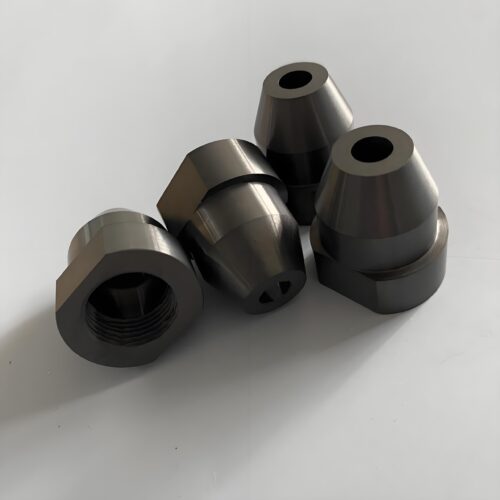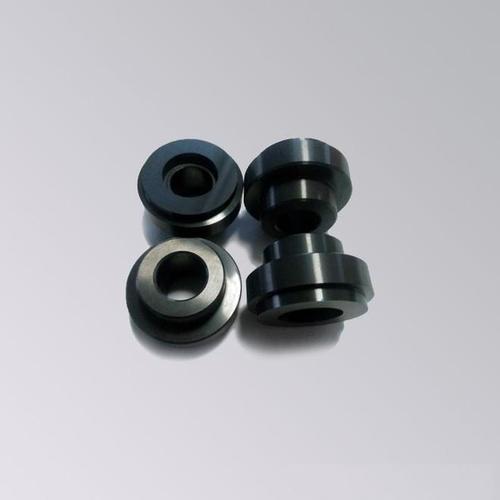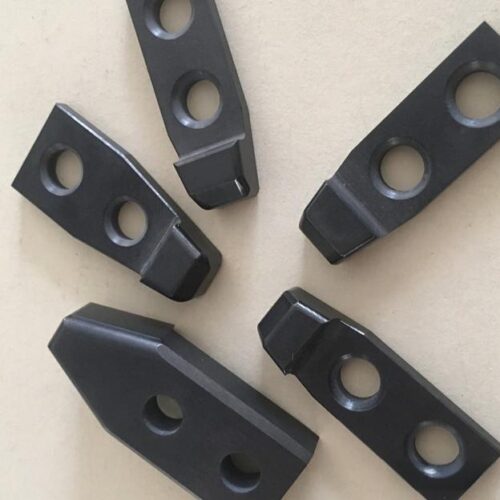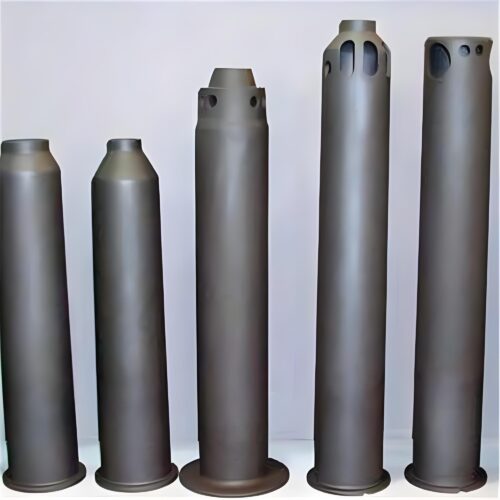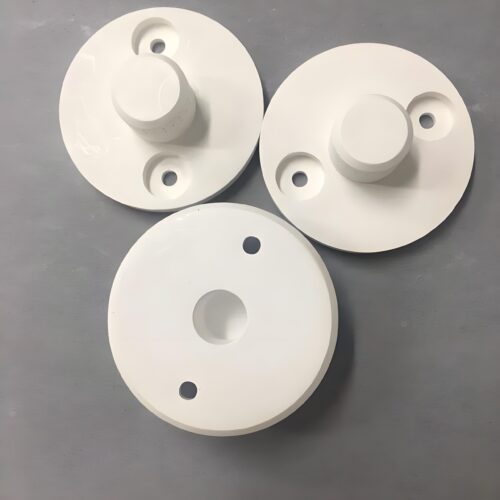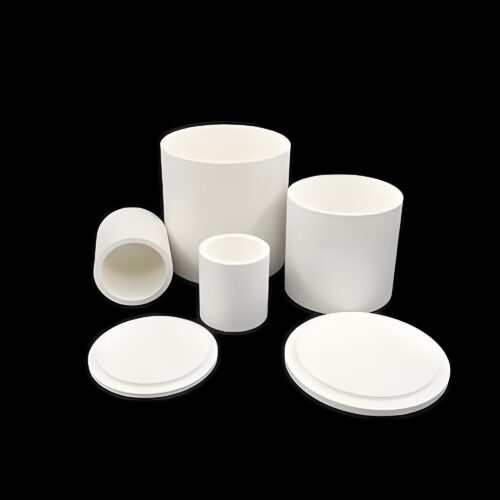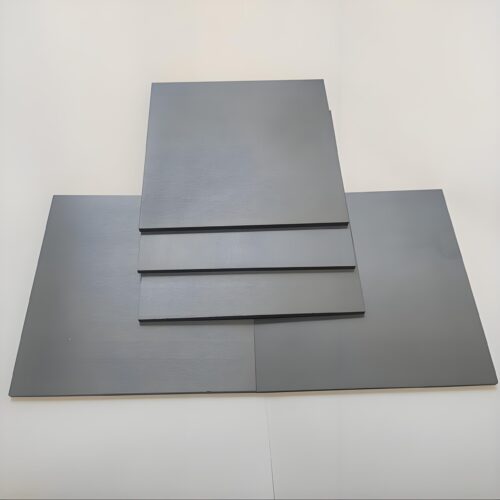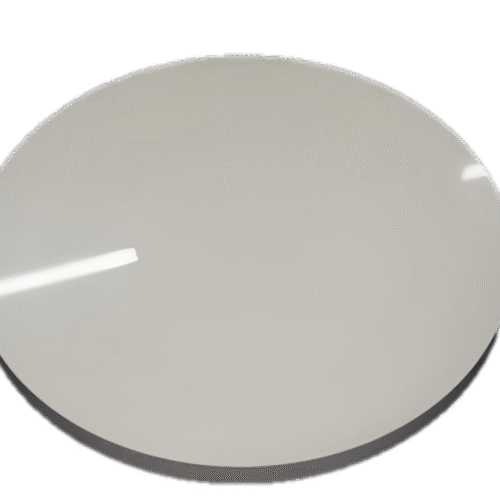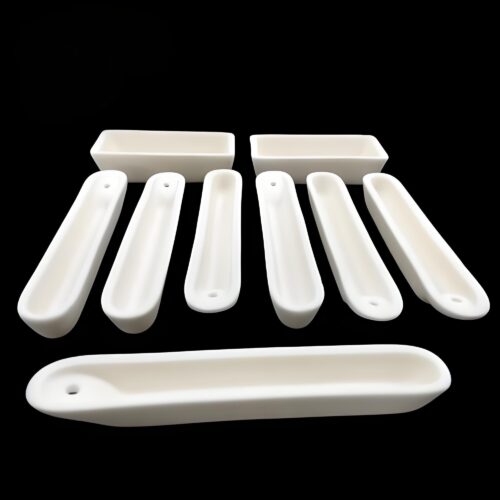
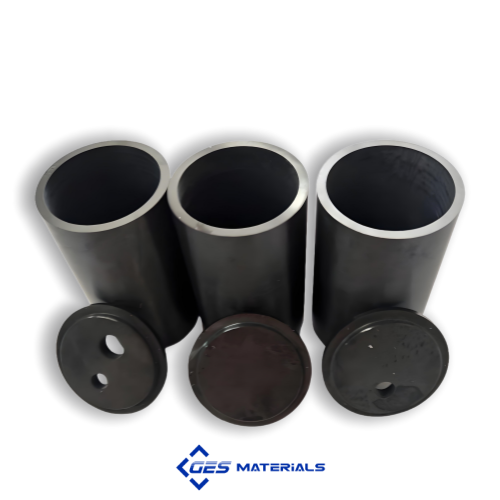
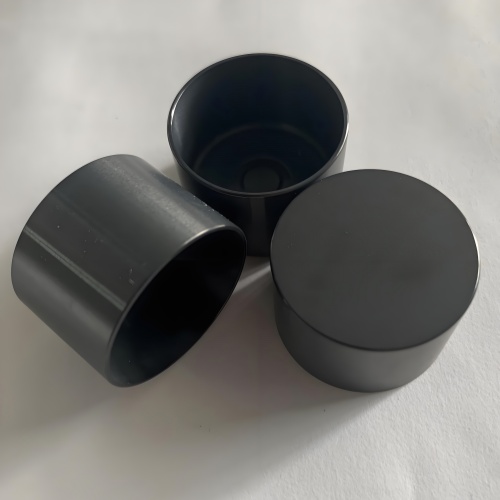
Manufactured with advanced gas pressure sintering technology, our high-performance silicon nitride crucibles deliver outstanding durability and reliability under the most challenging conditions.
Withstands aggressive acids, including boiling hydrochloric acid, concentrated nitric acid, aqua regia, sulfuric acid, and aluminum hydroxide solutions (<25%).
Resists weak alkaline corrosion.
Maintains structural integrity in oxidizing atmospheres up to 1200 °C.
Excellent oxidation resistance for long-term high-temperature applications.
Non-wetting surface ensures clean and efficient molten metal handling.
Compatible with a wide range of molten metals, including zinc, gold, silver, aluminum, cadmium, indium, lead, bismuth, gallium, and germanium.
Resistant to corrosion from metal alloys such as brass (yellow copper), duralumin (hard aluminum), and nickel silver.
Laboratory Research
Industrial Metal Processing
High-Temperature Furnace Components
Chemical Processing Equipment
As a ceramic material, it can be fragile under certain conditions. Our Silicon Nitride Crucibles are carefully handled to minimize the risk of damage during storage and transportation. We use suitable outer cartons and high-quality inner cushioning materials to protect each crucible. For some parts, vacuum packing is also employed to ensure maximum protection and maintain product integrity.