Global Elements Solutions

Rare Earth Materials

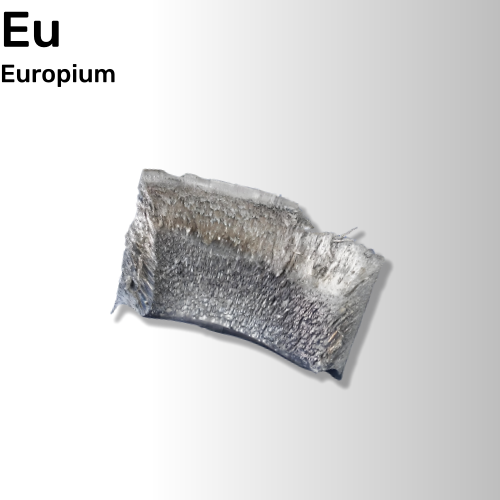
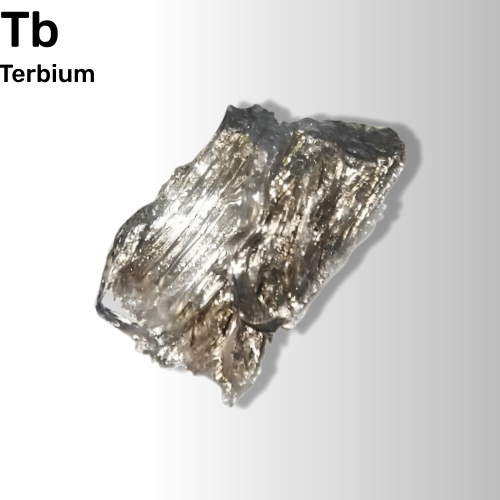
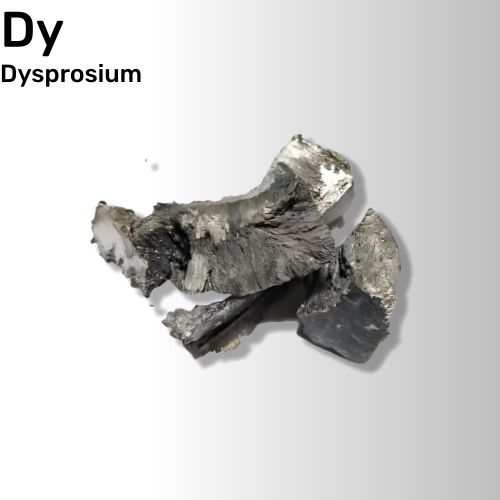
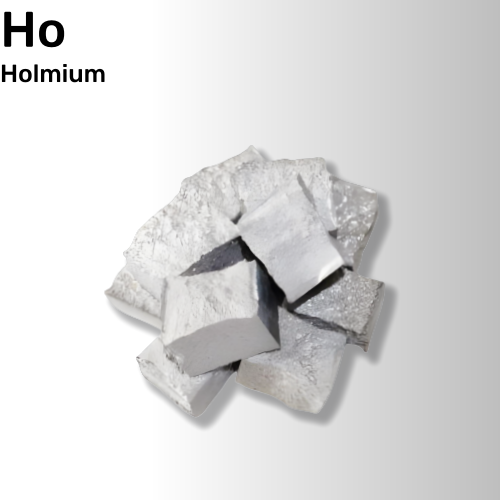
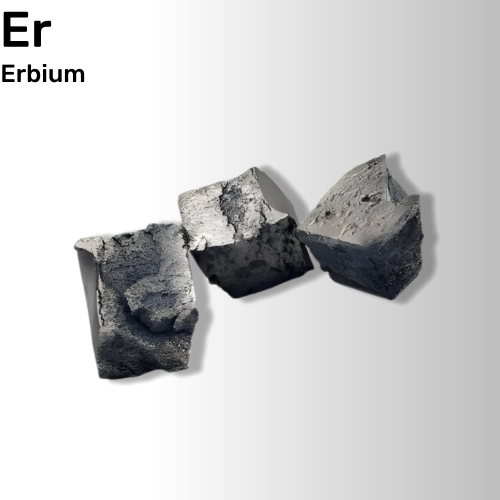
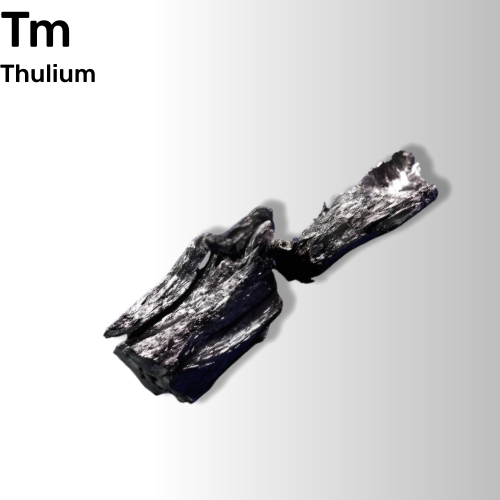
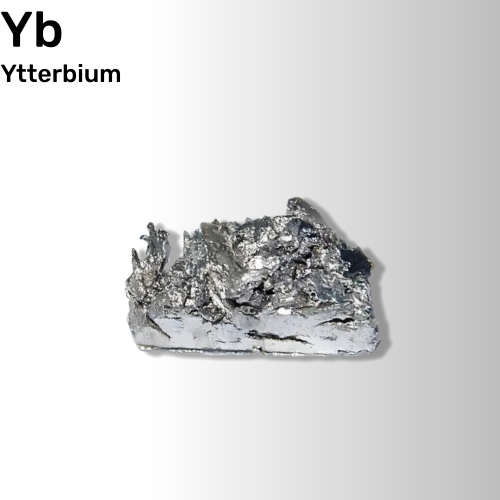
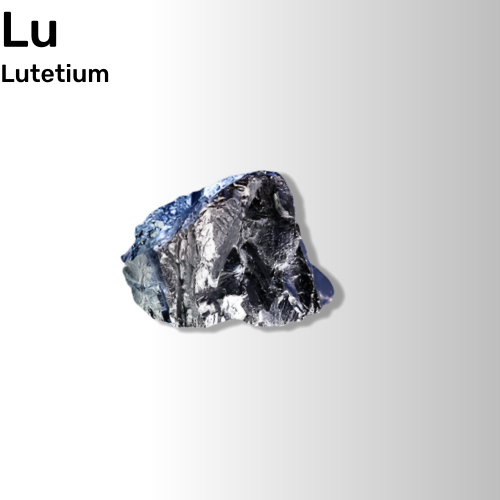
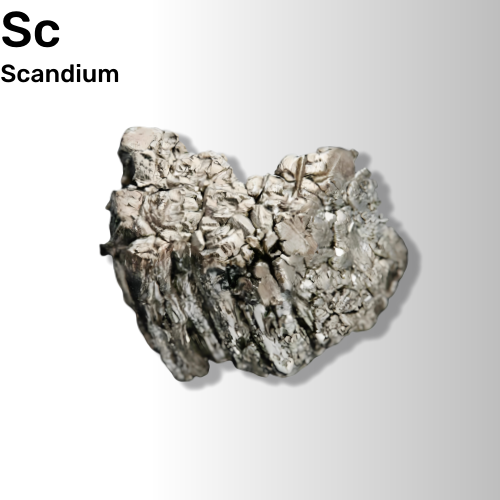
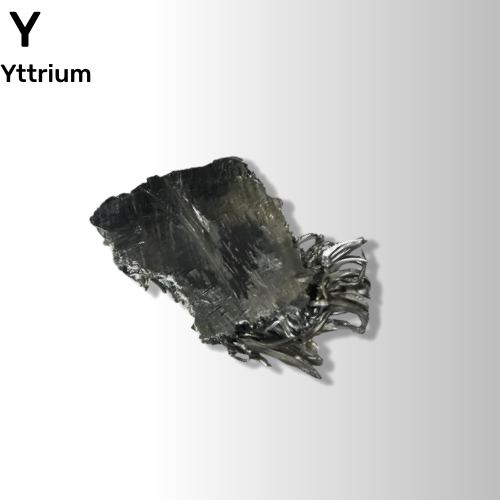
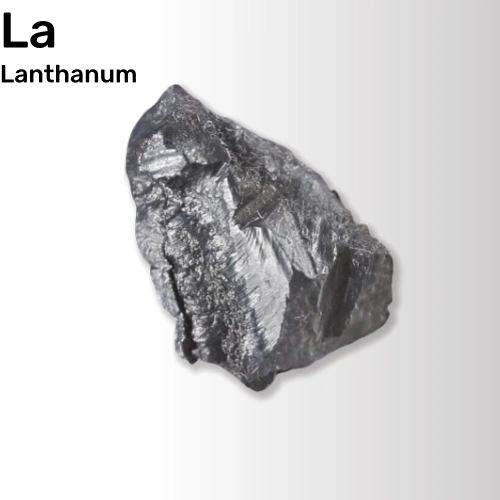
Rare earth elements (REEs) comprise a set of 17 chemically similar metallic elements in the periodic tables, including the 15 lanthanides (La, Ce, Pr, Nd, Pm, Sm, Eu, Gd, Tb, Dy, Ho, Er, Tm, Yb, and Lu) along with Sc (element 21) and Y (element 39).

What is Rare-earth Element?

Rare-earth elements (REEs) refer to a group of 17 elements that share similar physical and chemical properties. This group includes the 15 lanthanide elements, with atomic numbers ranging from 57 to 71, along with two additional elements: Scandium (Sc) and Yttrium (Y). Both Scandium and Yttrium exhibit characteristics very similar to the lanthanides and are often found in the same ores.

Rare-earth elements (REEs) were first discovered by Lieutenant Carl Axel Arrhenius in 1787 in gadolinite, a silicate mineral composed mainly of Cerium (Ce), Lanthanum (La), Neodymium (Nd), Yttrium (Y), Beryllium (Be), and Iron (Fe). However, it wasn’t until 1891 that REEs began to show their potential for industrial applications.

By around 1930, rare-earth elements had been utilized in many industries. Over time, our understanding of REEs has deepened, and the technology for separating these elements has seen remarkable advancements. As a result, the consumption of rare-earth elements has been steadily increasing since 1950.

Unique Properties and Applications

Rare-earth elements (REEs) are renowned for their unique magnetic, electrochemical, and catalytic properties, making them one of the most important materials in the 21st century.

Chemical Properties
REEs are widely used as catalysts and polishing agents. Their inertness makes them ideal for removing chemical reactions through mechanical abrasion processes. For example, cerium oxide is the best material for polishing glass surfaces.

Lanthanum-based catalysts are commonly used in petroleum refining, while cerium-based catalysts play a critical role in automotive catalytic converters, helping to reduce harmful emissions and protect the environment.

Magnetic Properties
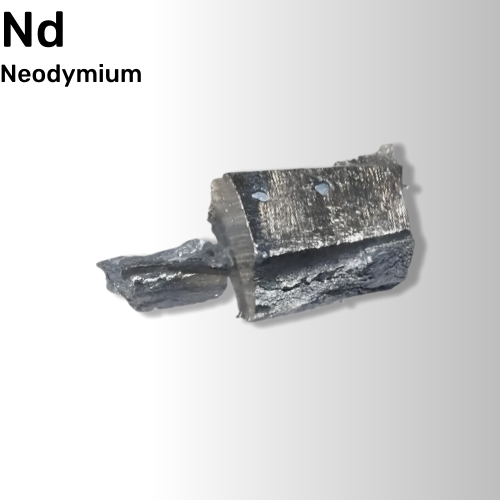
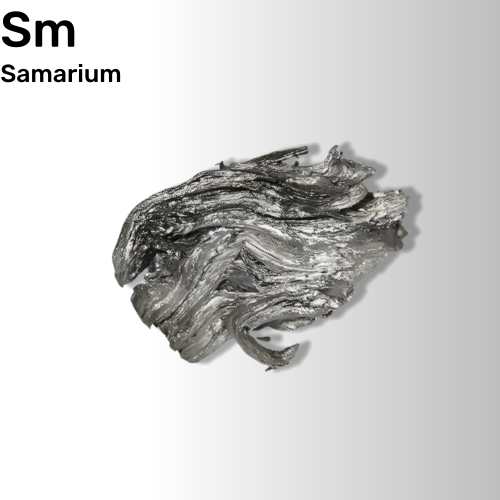
REEs exhibit magnetic properties due to their atomic structures. Samarium, neodymium, and praseodymium are commonly used to produce permanent magnets in automotive systems such as power seats, audio speakers, and other applications.

The neodymium-iron-boron (NdFeB) magnet is the strongest magnet, widely used in applications where space is limited. The samarium-cobalt (SmCo) magnet performs well under high temperatures, making it essential in military applications, particularly in navigation systems due to its excellent thermostability.

Electrical Properties
Rare-earth elements have narrow and sharp emission and absorption lines, which make them highly effective in the production of television and computer screens, lasers, and high-performance batteries.

Gadolinium oxide is one of the most important materials used in X-ray intensifiers. Additionally, neodymium and praseodymium are used in colorful glasses due to their ability to selectively absorb certain wavelengths of light.

Reference:

  • National Center for Biotechnology Information. (2022). PubChem Periodic Table of Elements. Retrieved December 13, 2022, from https://pubchem.ncbi.nlm.nih.gov/periodic-table/.
  • Jha, A. R. (2016). Chapter 1: History and Discovery of Rare Earth Materials. In Rare Earth Materials: Properties and Applications (pp. 4–5). CRC Press.
  • Jha, A. R. (2016). Chapter 1: History and Discovery of Rare Earth Materials. In Rare Earth Materials: Properties and Applications (p. 6). CRC Press.

GET A QUOTE

Please describe the product(s) for which you would like more information/quotation.Items marked with an asterisk(*) are required.

Inquiry to GES Materials

Please describe the product(s) for which you would like more information/quotation.Items marked with an asterisk(*) are required.